
Challenges

Understanding the Barriers to Sustainable Integration

Refugees arrive in Japan with resilience, skills, and a strong desire to rebuild their lives. However, successful long-term integration requires overcoming interconnected structural and personal barriers.

These challenges are not isolated. They compound over time if not addressed through coordinated, structured support.

Kibou no Gakkou focuses on practical barriers that directly affect independence, employment readiness, and participation in society.

Language & Skills Barriers

Functional Japanese proficiency is essential for employment, vocational training, and daily life.

Many refugees:

  • Lack access to structured, workplace-oriented language training
  • Possess prior education that is not easily transferable
  • Have interrupted educational histories due to displacement

Language gaps are often the first and most visible barrier. Without targeted support linked to vocational outcomes, individuals remain excluded from training pathways and employment opportunities.

Effective integration requires language acquisition that is directly connected to practical and professional application.

Employment & Qualification Gaps

Refugees frequently arrive with:

  • Prior professional experience
  • Informal skills
  • Partial certifications
  • Education that is not recognized in Japan

Japan’s employment system is highly structured and credential-based. Without recognized qualifications or clear transition pathways, capable individuals remain underemployed or excluded from formal sectors.

Bridging this gap requires:

  • Assessment of transferable skills
  • Alignment with vocational education systems
  • Clear step-by-step progression toward recognized certification

Sustainable employment cannot occur without structured preparation.

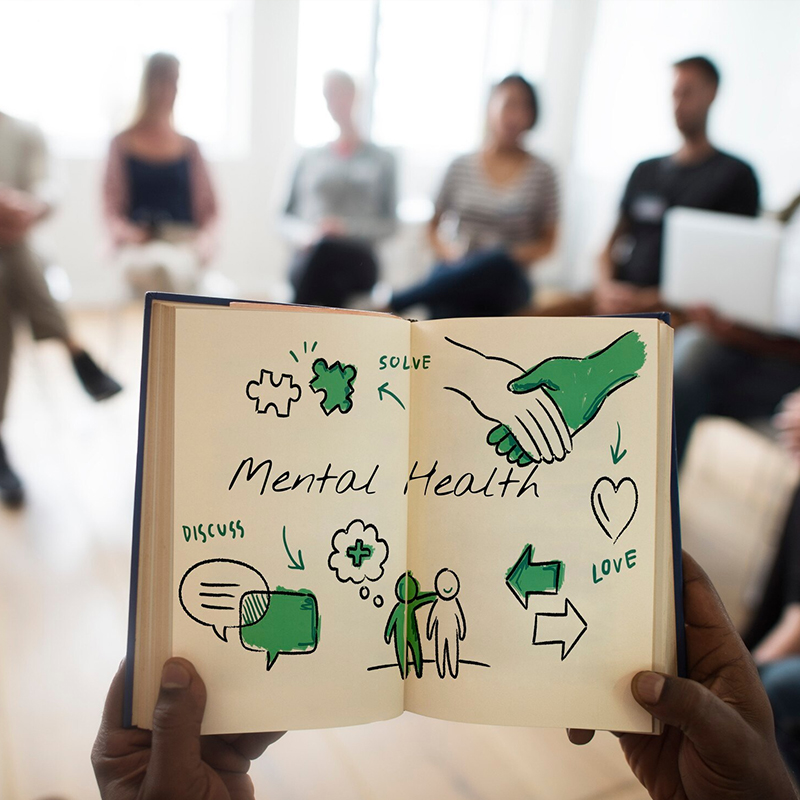
Mental Health & Social Isolation

Displacement frequently involves:

  • Exposure to conflict or instability
  • Prolonged uncertainty
  • Loss of community networks
  • Cultural disorientation

These experiences can affect:

  • Confidence
  • Learning capacity
  • Workplace participation
  • Social engagement

In addition, social isolation reduces access to informal networks that are often critical for employment and integration.

Addressing mental well-being and social connection is not separate from employment readiness – it is foundational to it.

Japan’s Demographic Context

Japan faces significant demographic change, including:

  • An aging population
  • Workforce shortages in key sectors
  • Regional labor imbalances

When structured integration pathways are implemented responsibly, refugees can contribute to addressing workforce needs while building stable, independent lives.

However, this requires preparation, alignment, and long-term planning — not short-term solutions.

Why a Coordinated Approach Is Essential

The barriers refugees face are not isolated.

Language proficiency influences access to employment.
Legal stability determines access to training pathways.
Mental well-being affects learning capacity and workplace readiness.
Social isolation limits participation and long-term integration.

Addressing these factors independently is insufficient.

Sustainable integration requires coordinated, structured support across multiple domains — education, employment readiness, legal clarity, and community connection.

Kibou no Gakkou’s approach is built on this integrated understanding.

Building a More Resilient Society

By investing in education and structured preparation, Kibou supports refugees in rebuilding their lives while contributing to a more resilient and inclusive society in Japan.